Defining the pathway, assuring the seal

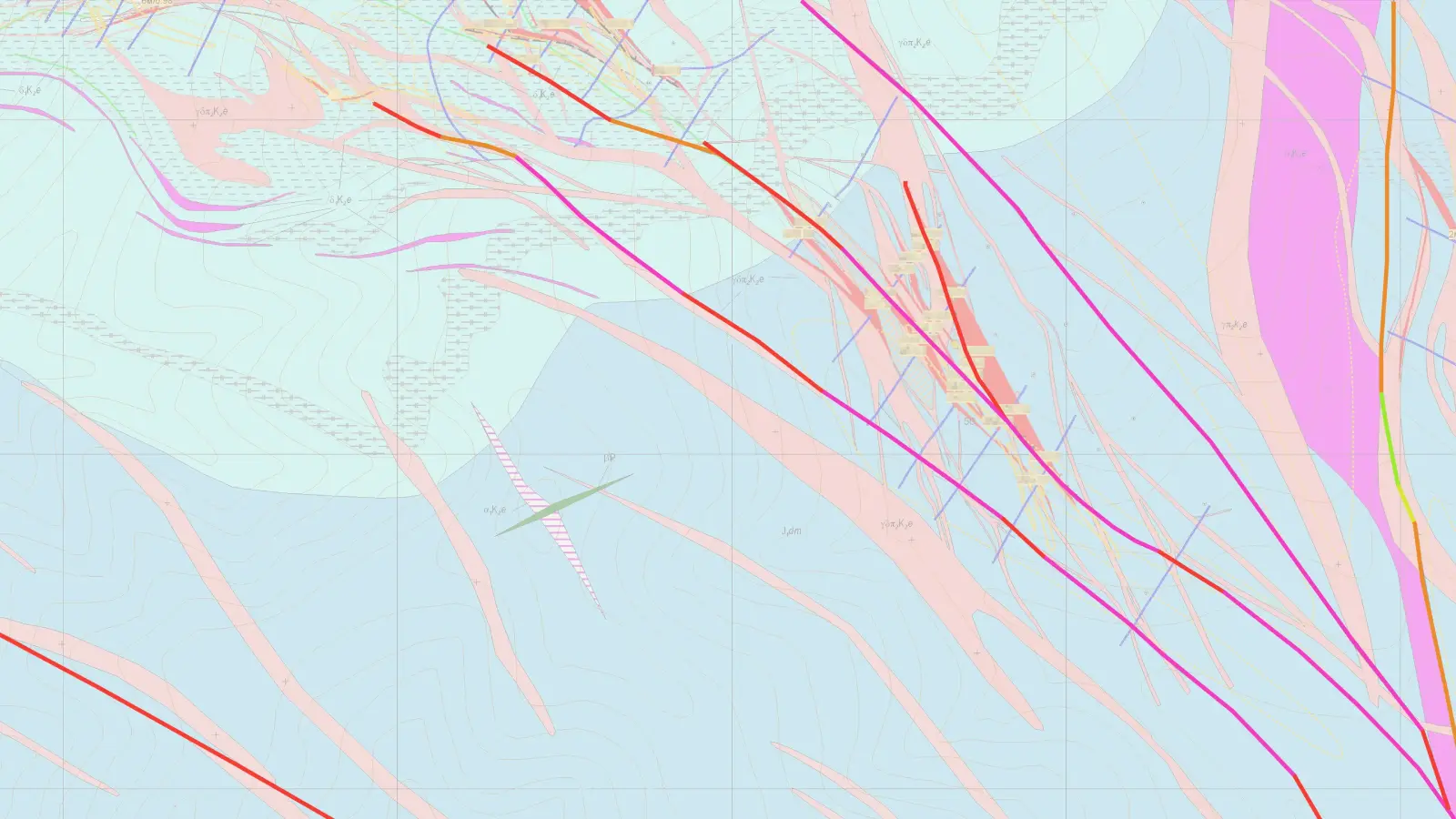
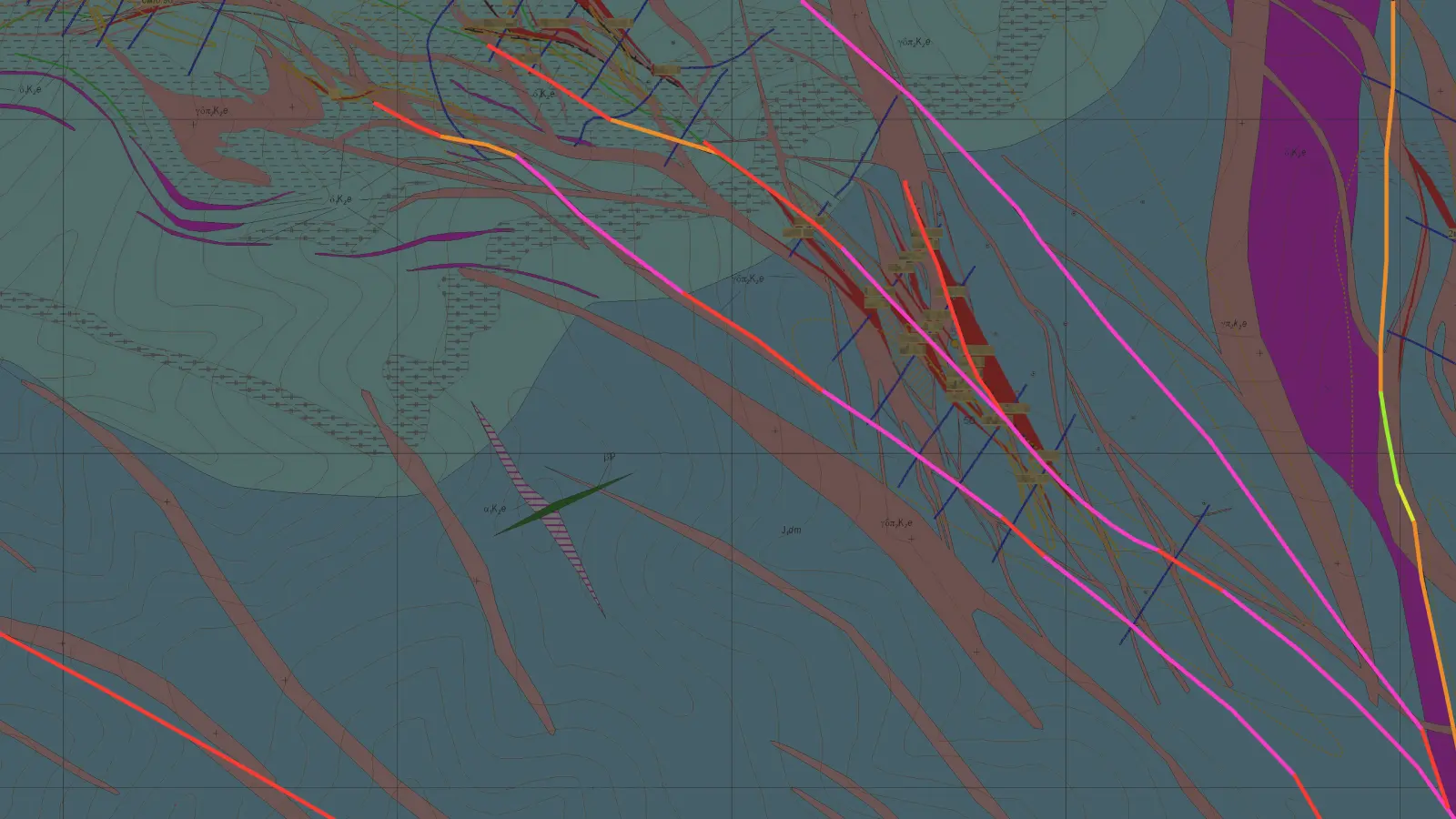
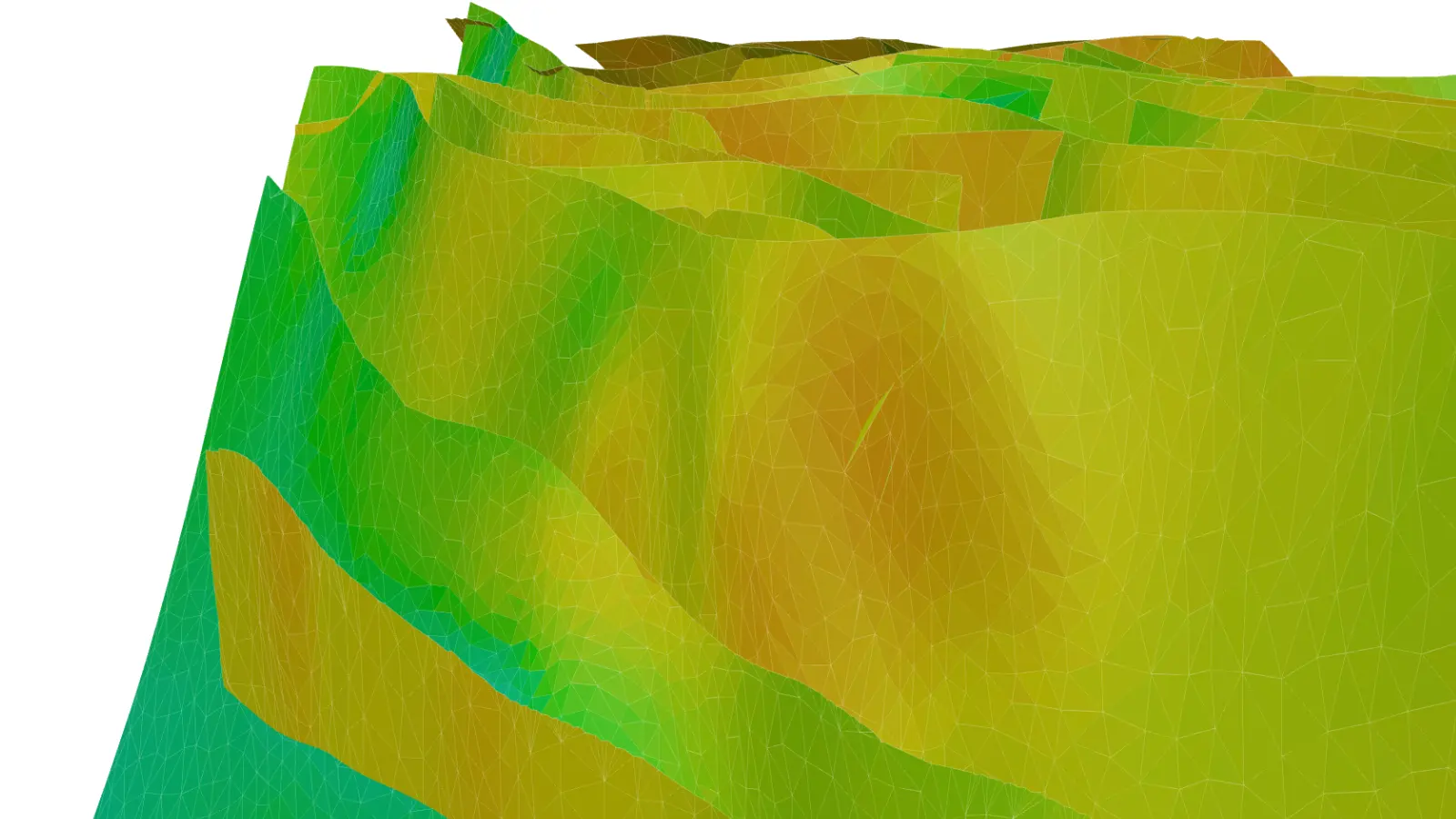
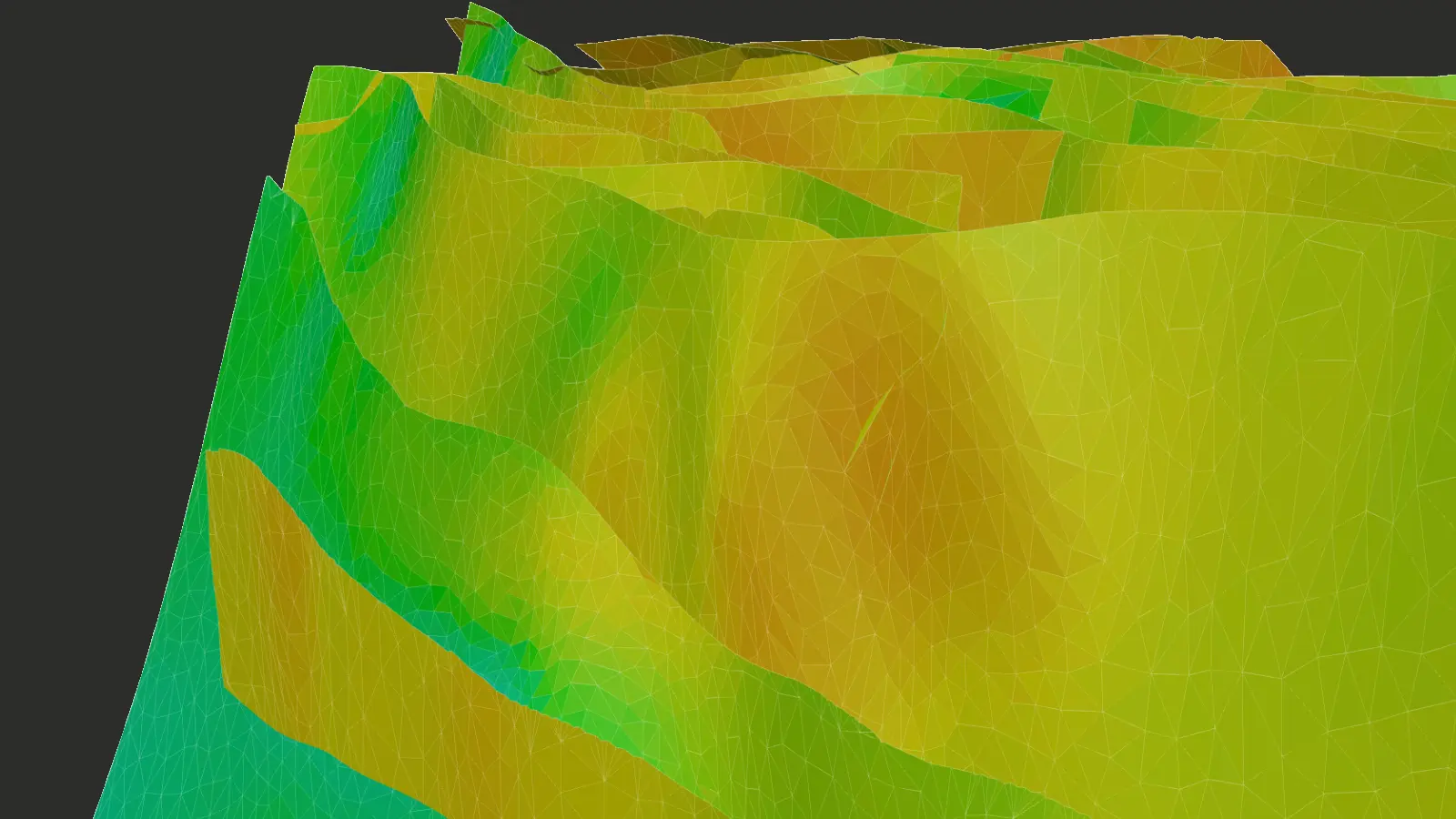
Faultwise is a web-based application that helps geoscientists analyse fault geometry, kinematics and fluid flow potential.

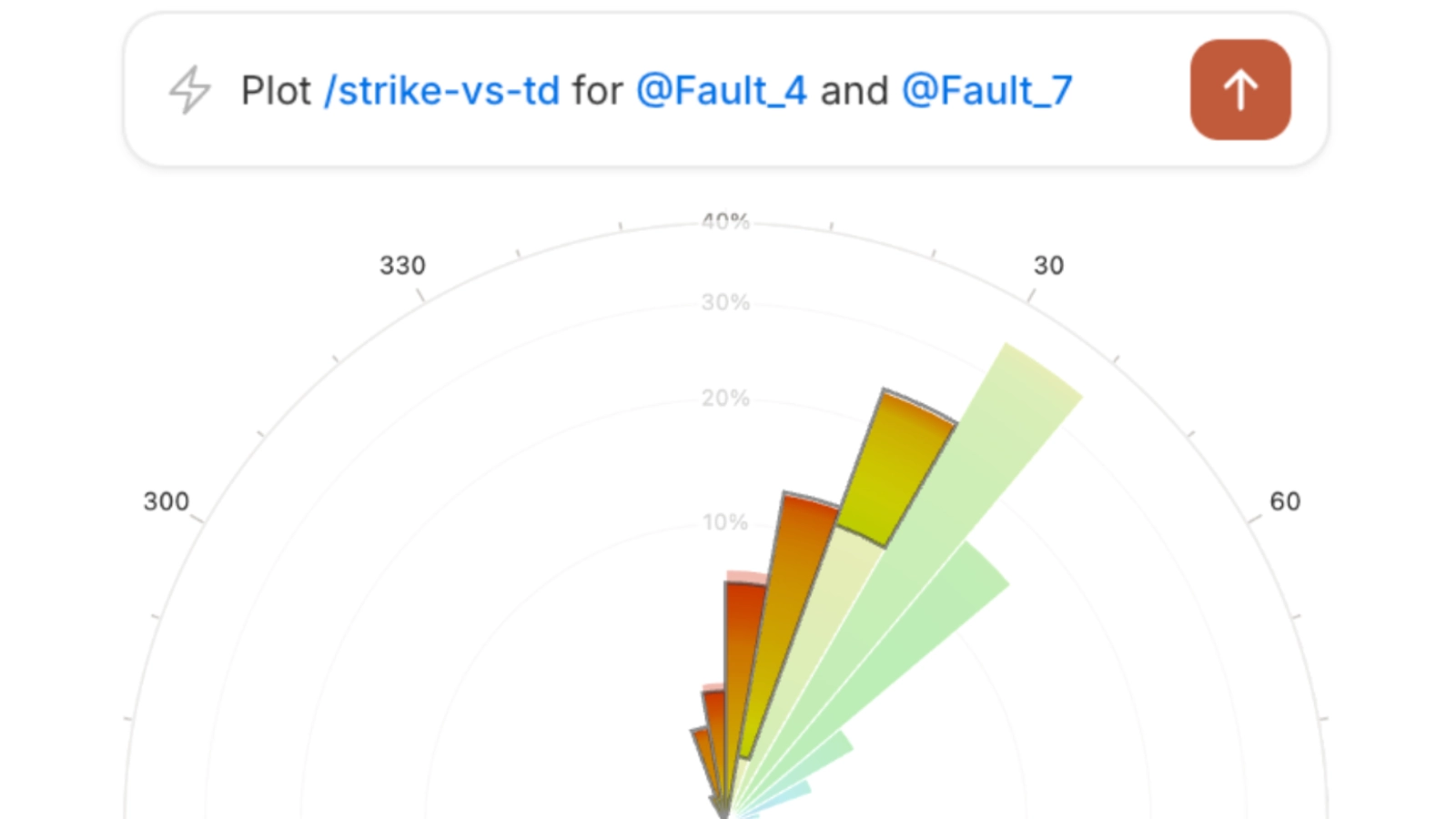
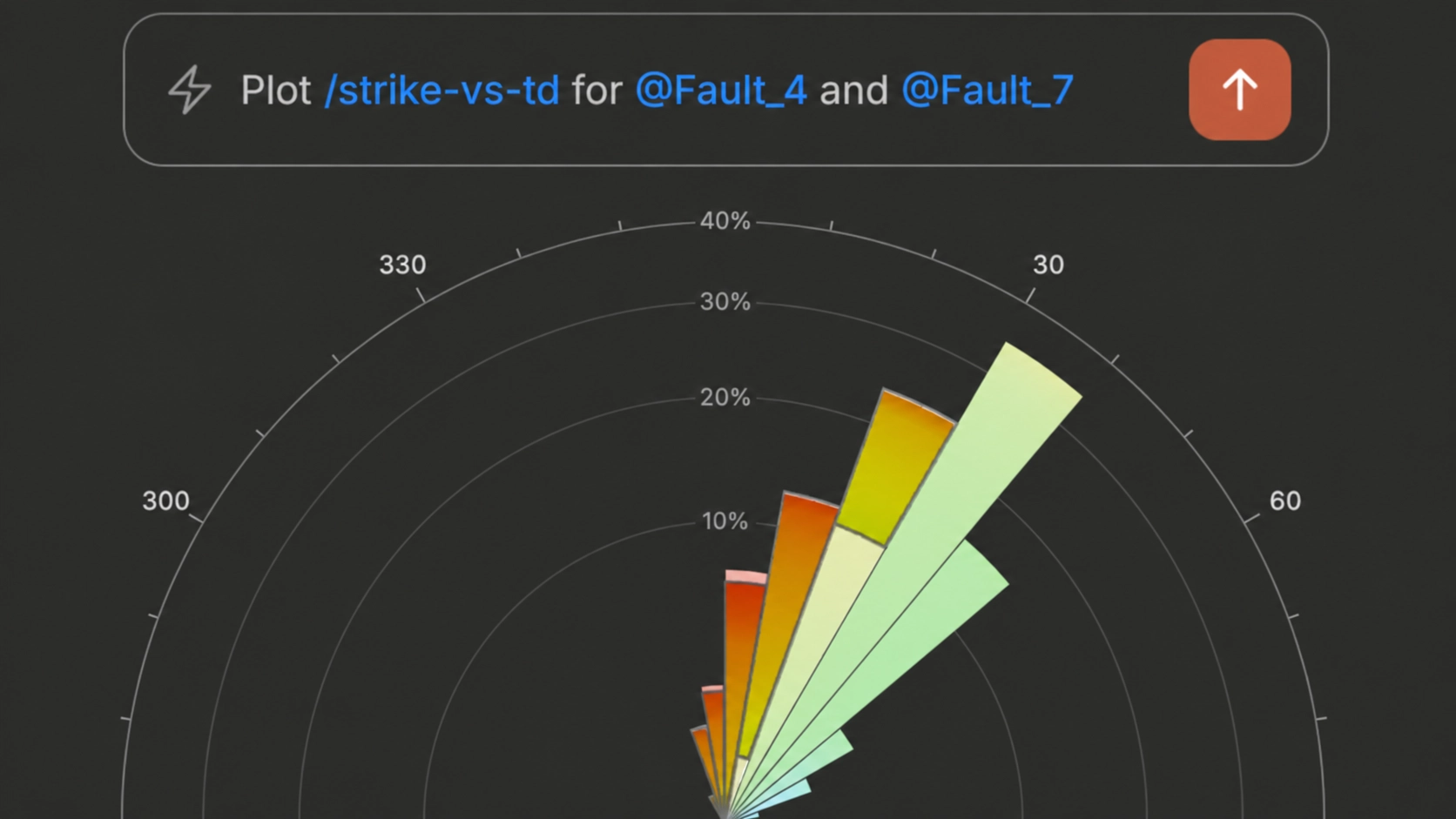
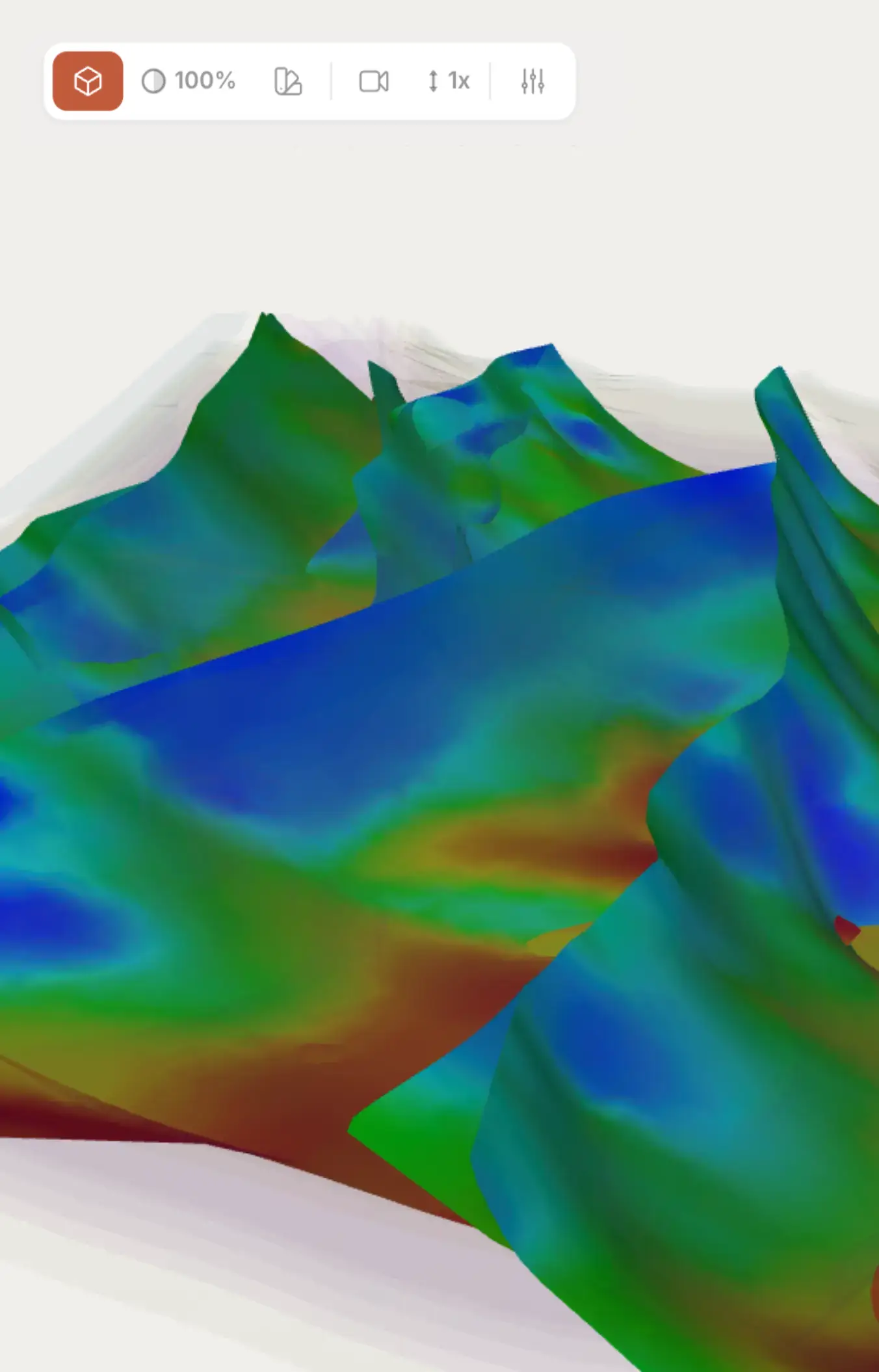
Faultwise mobile interface — state 1

Fluid pathways and fault reactivation

Identify fluid-conducting and slip-prone faults

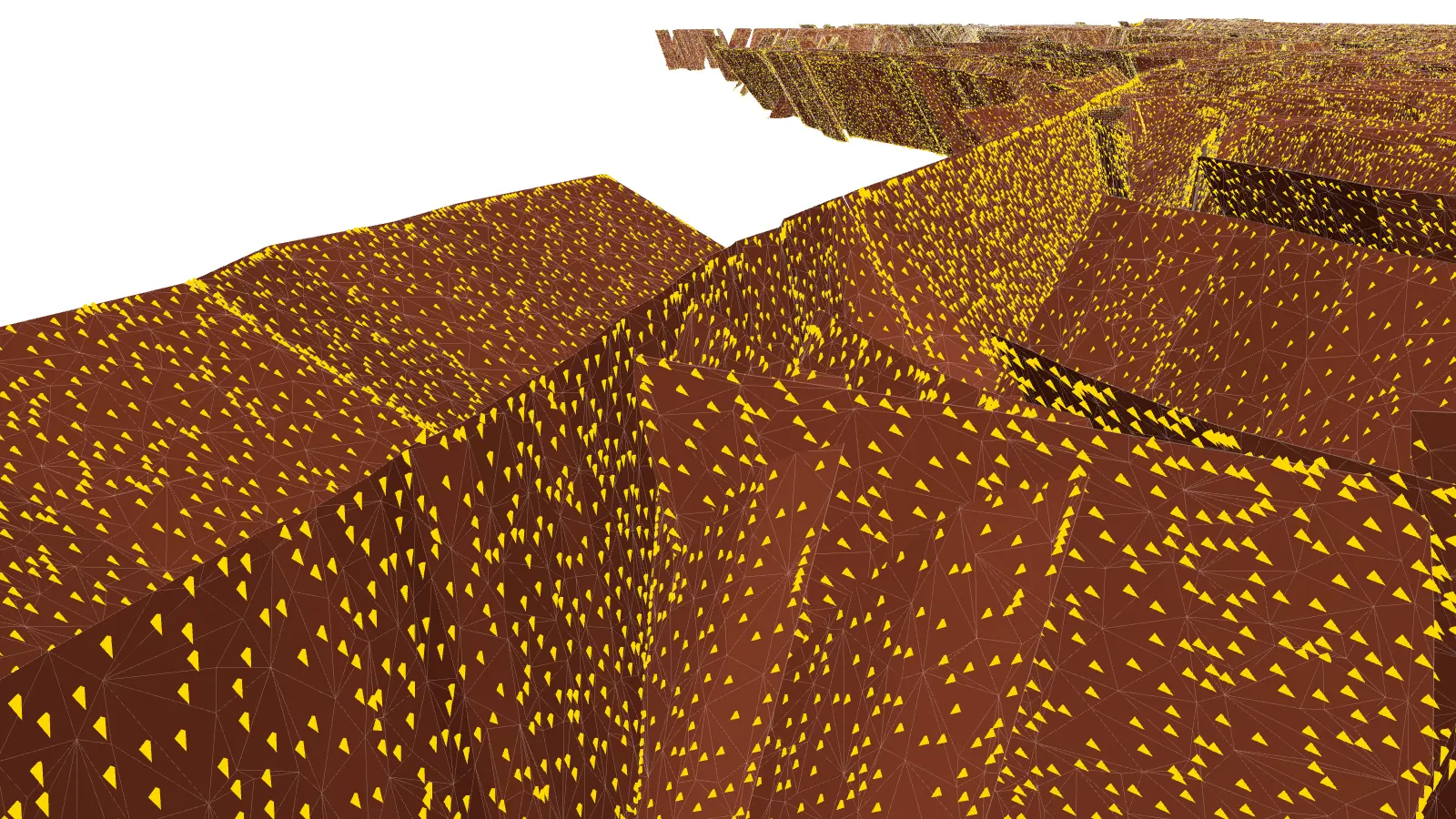
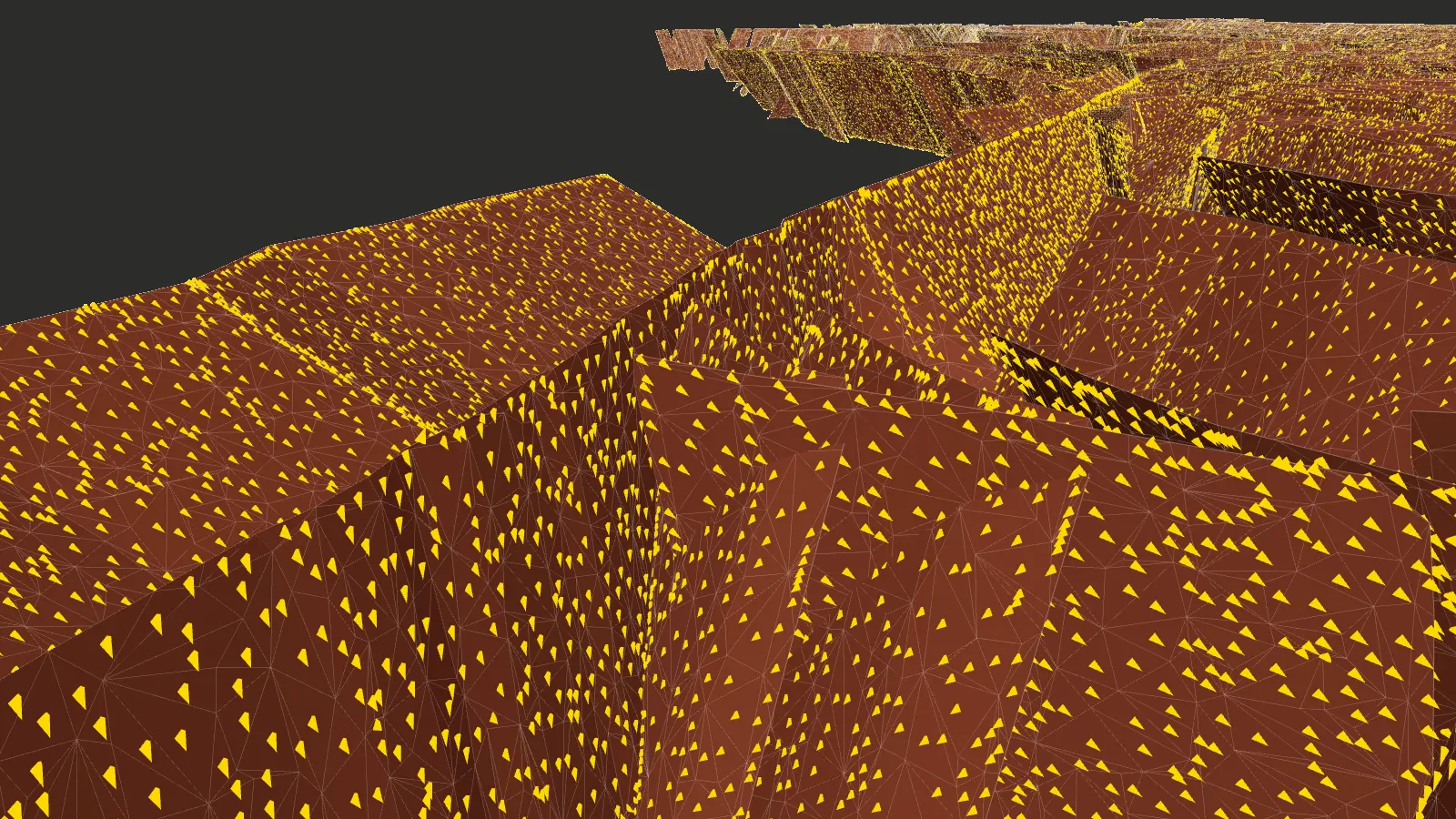
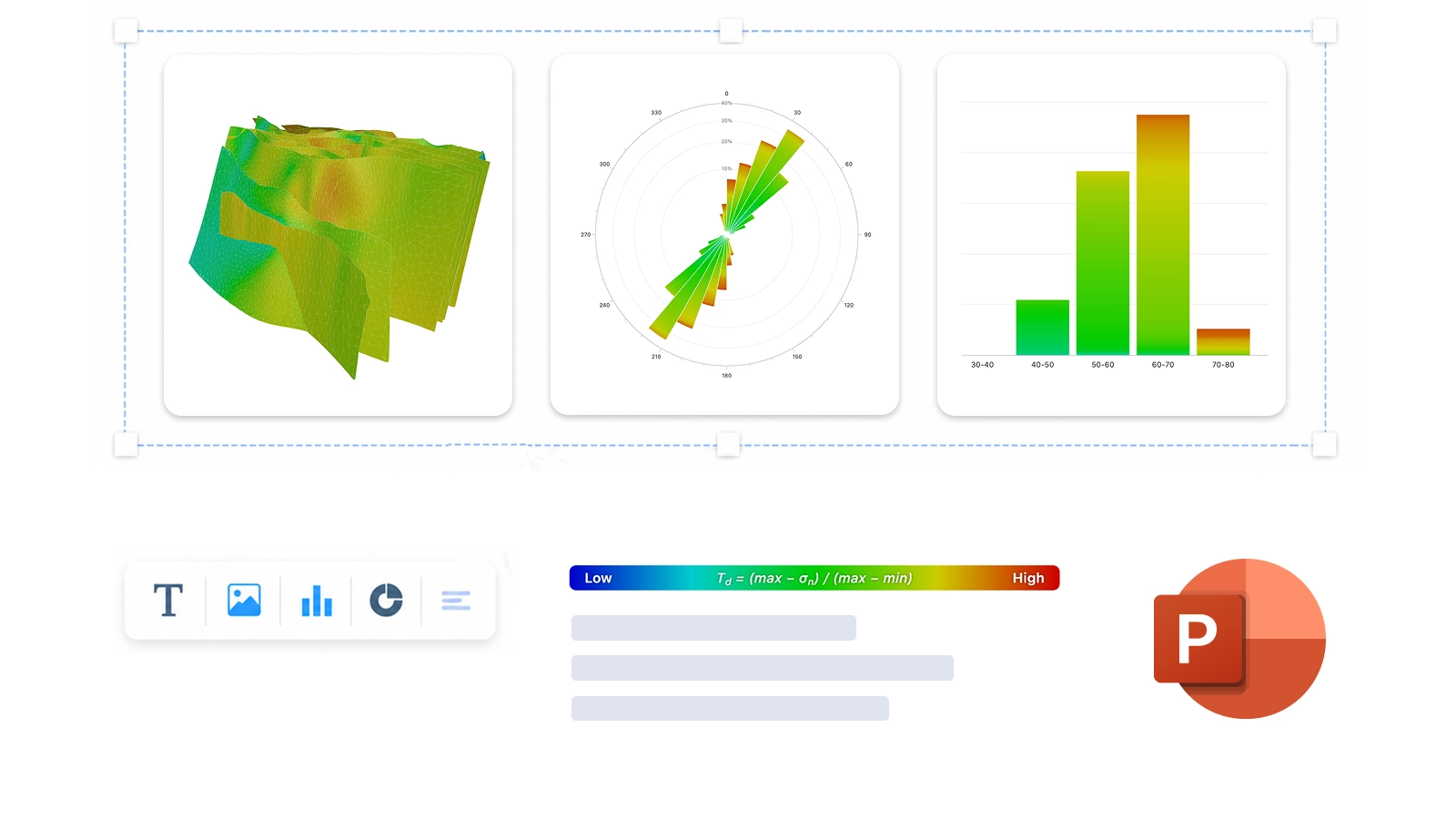
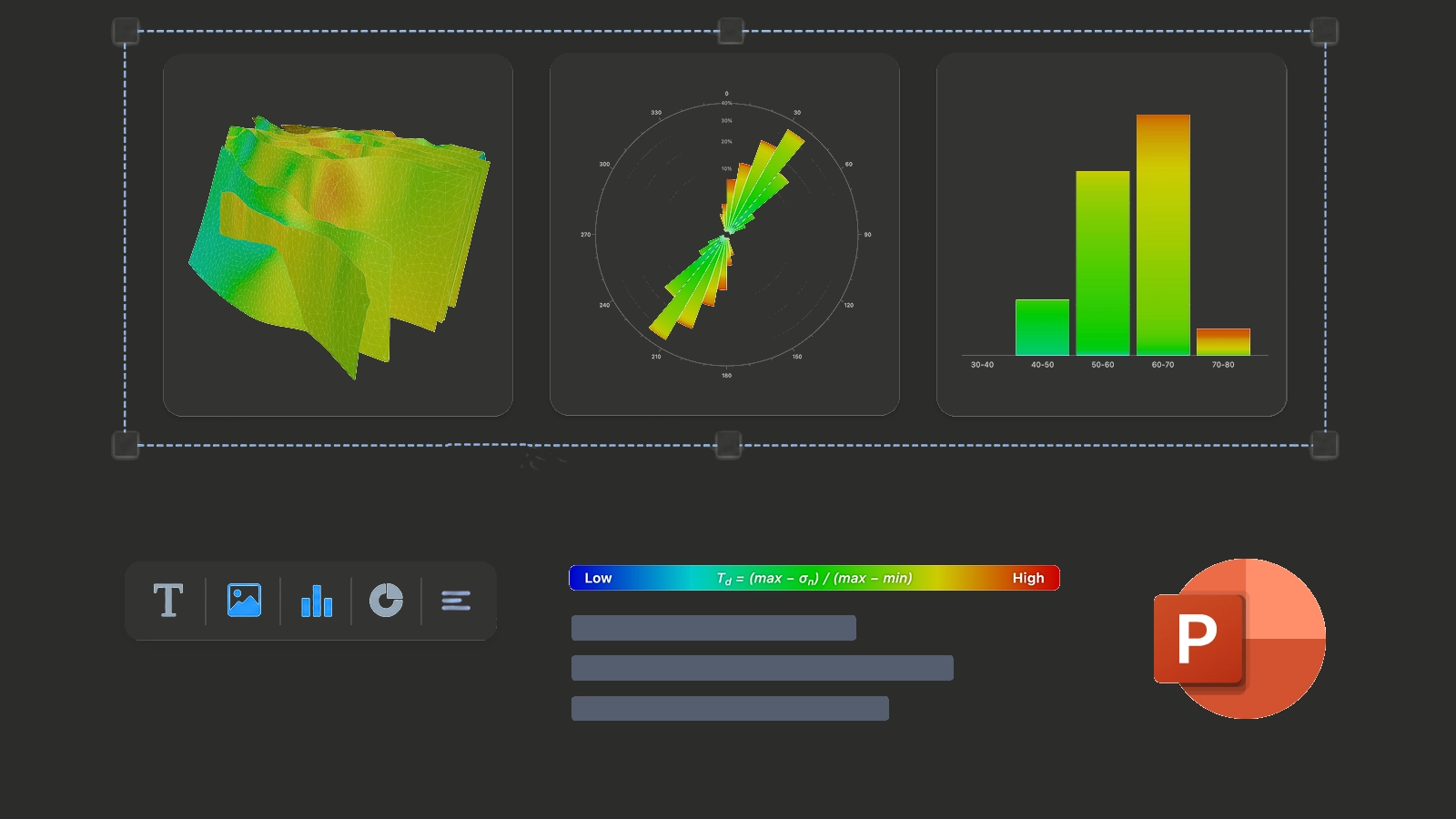
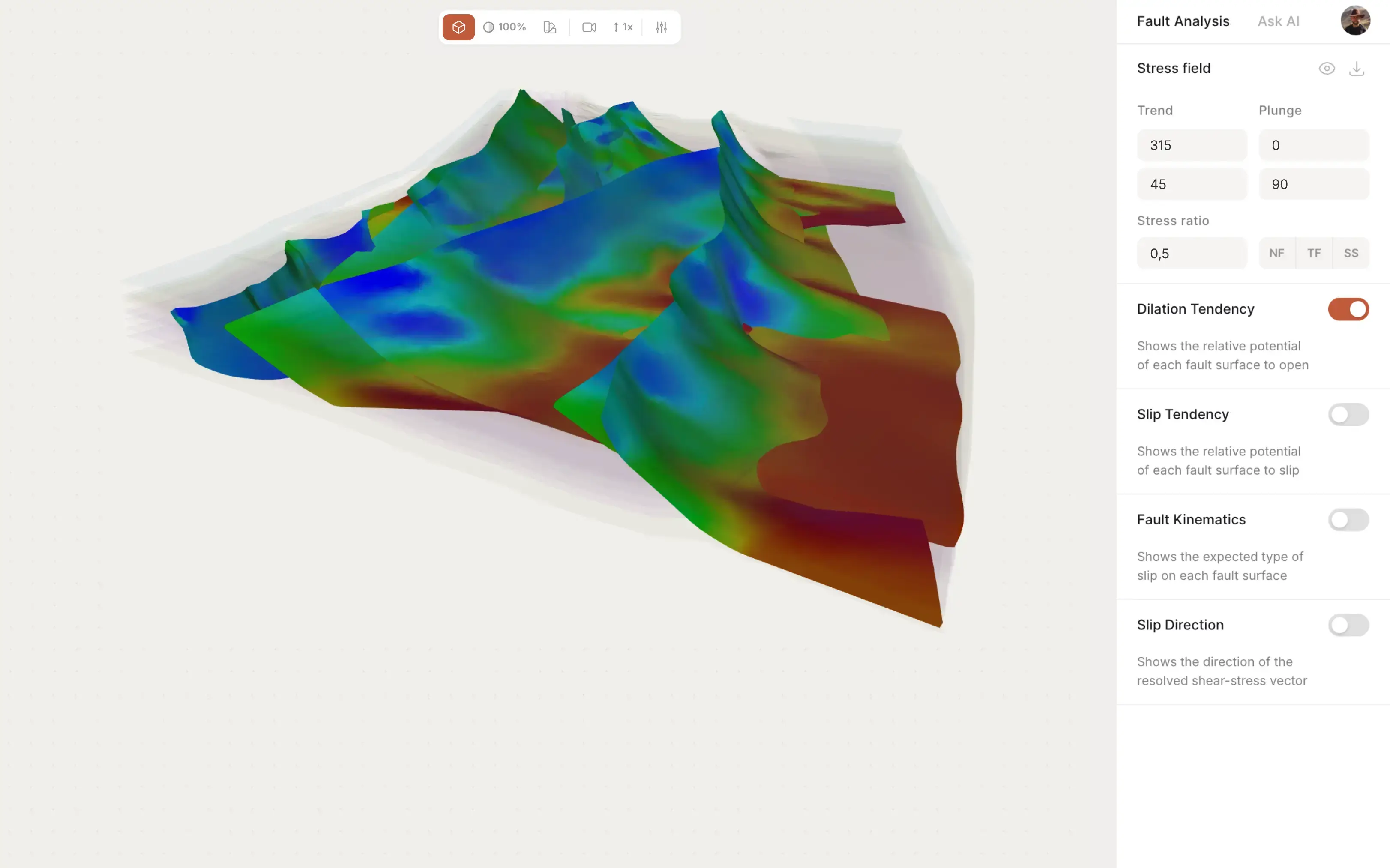
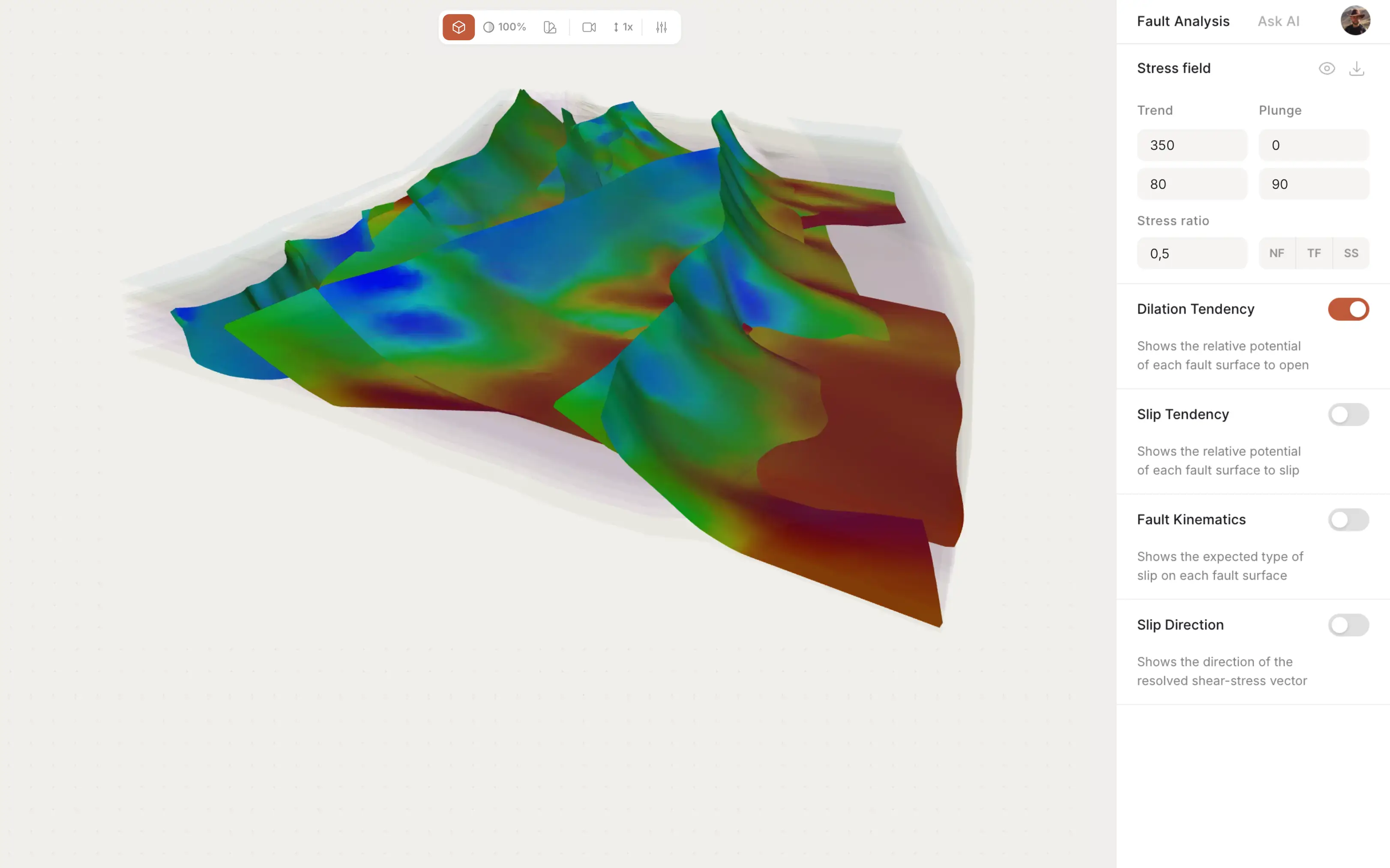
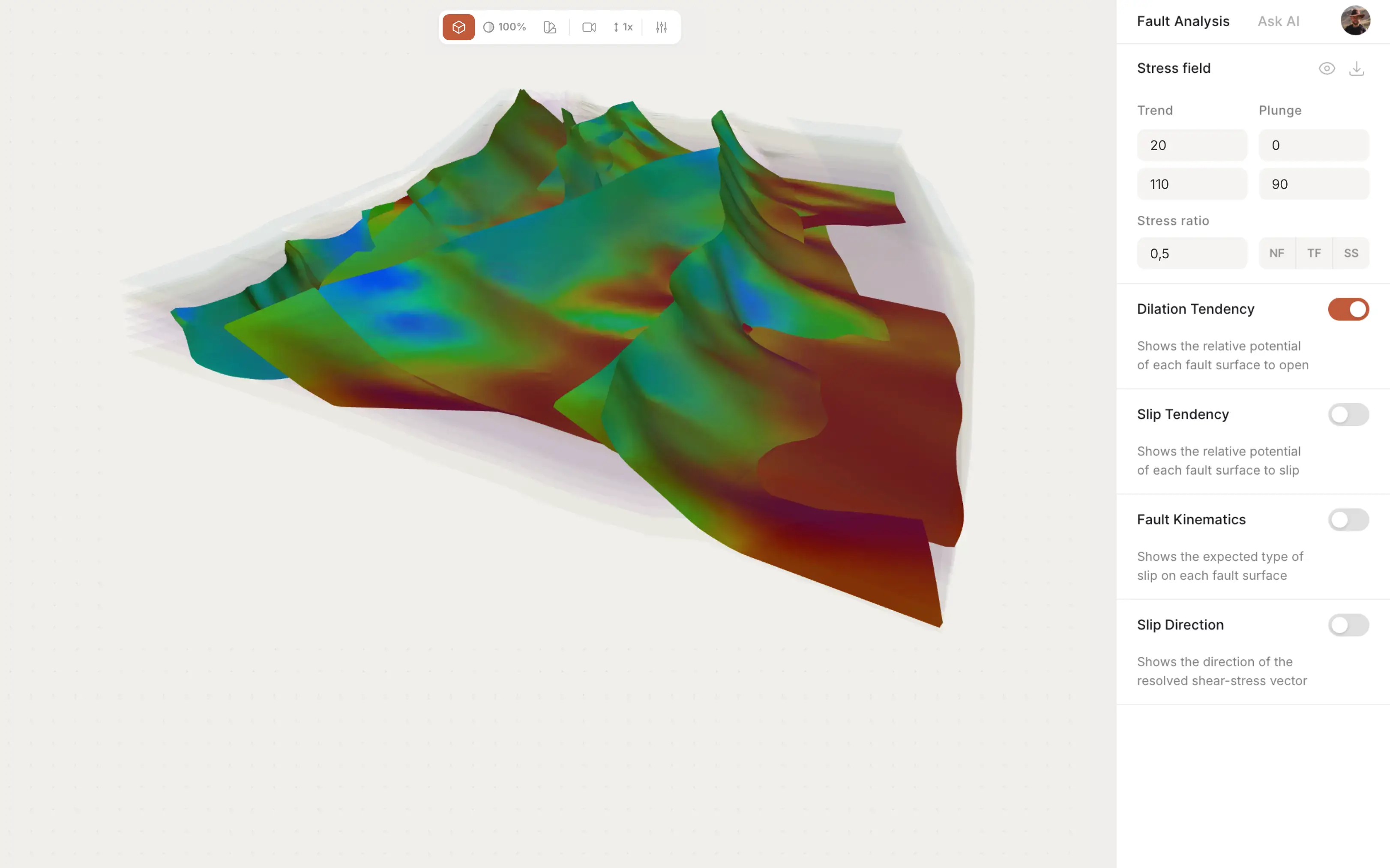
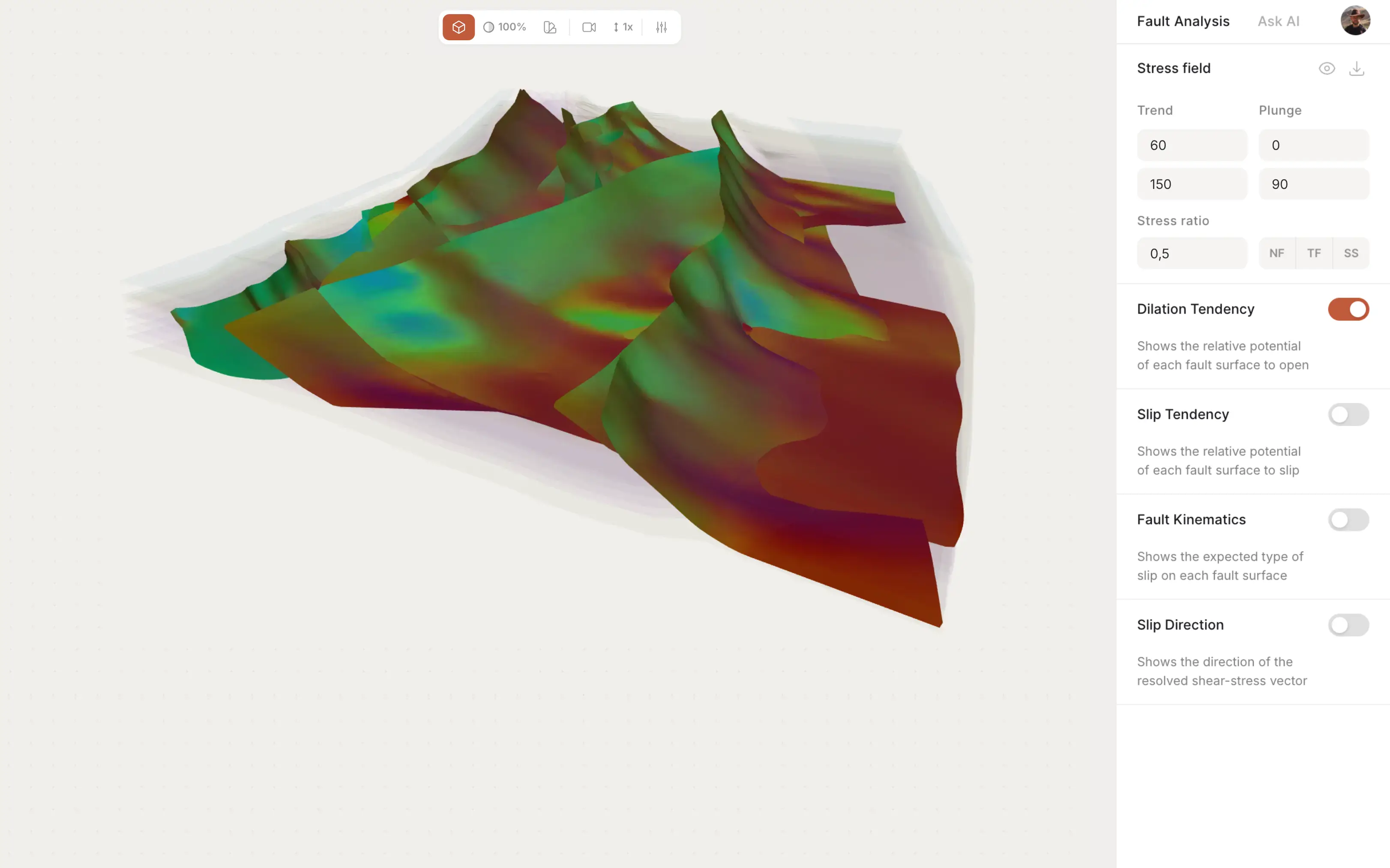
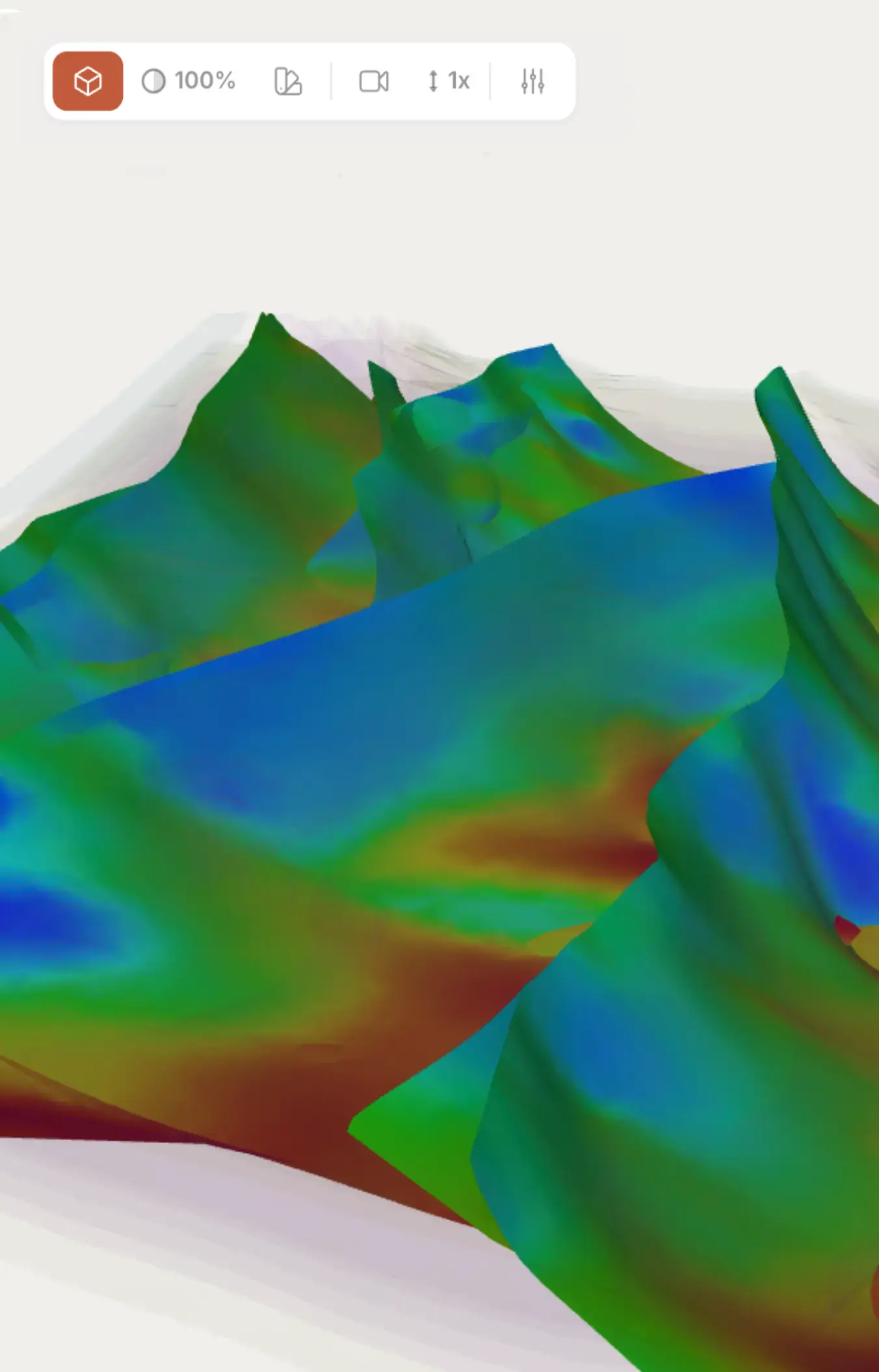
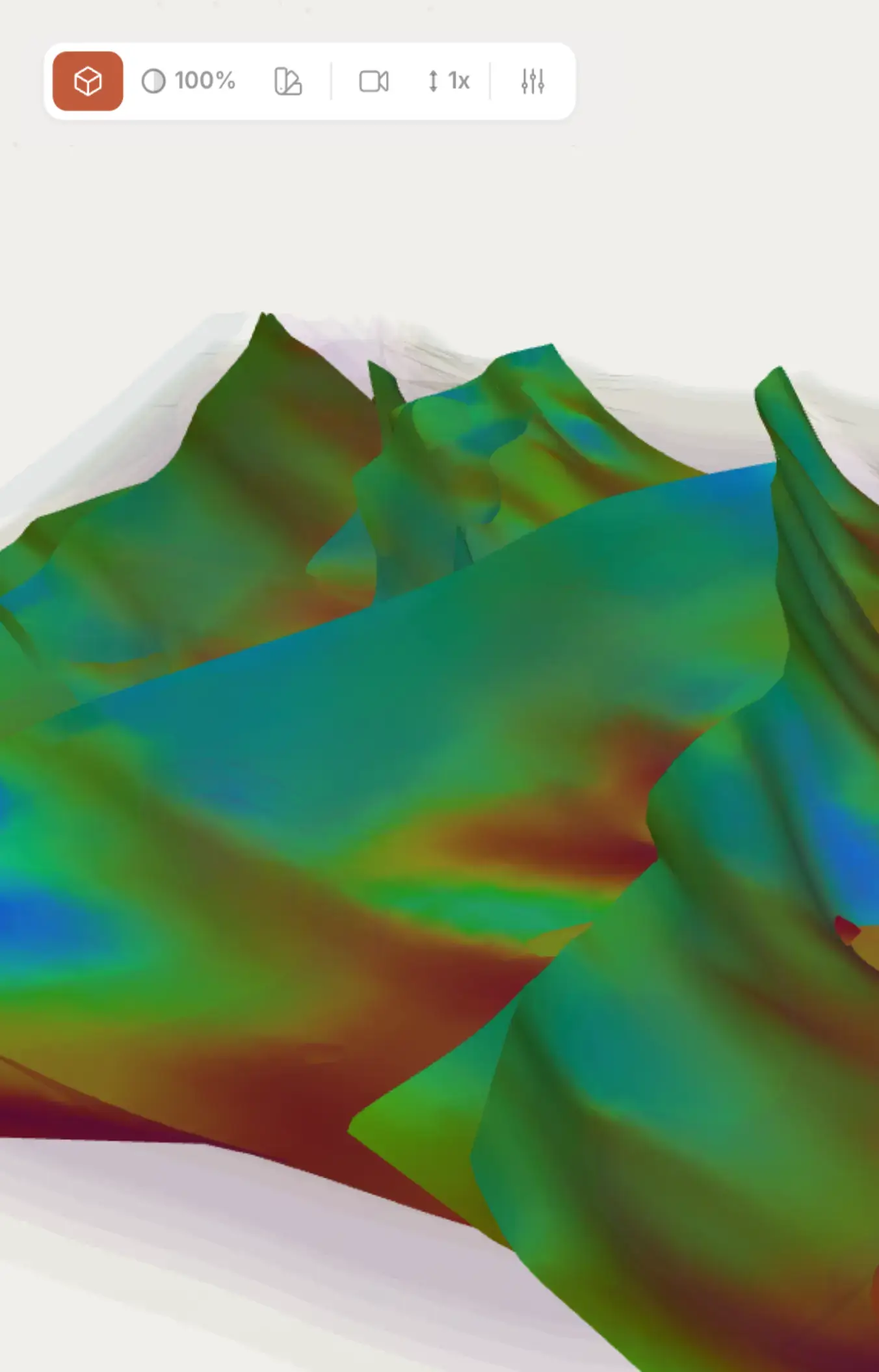
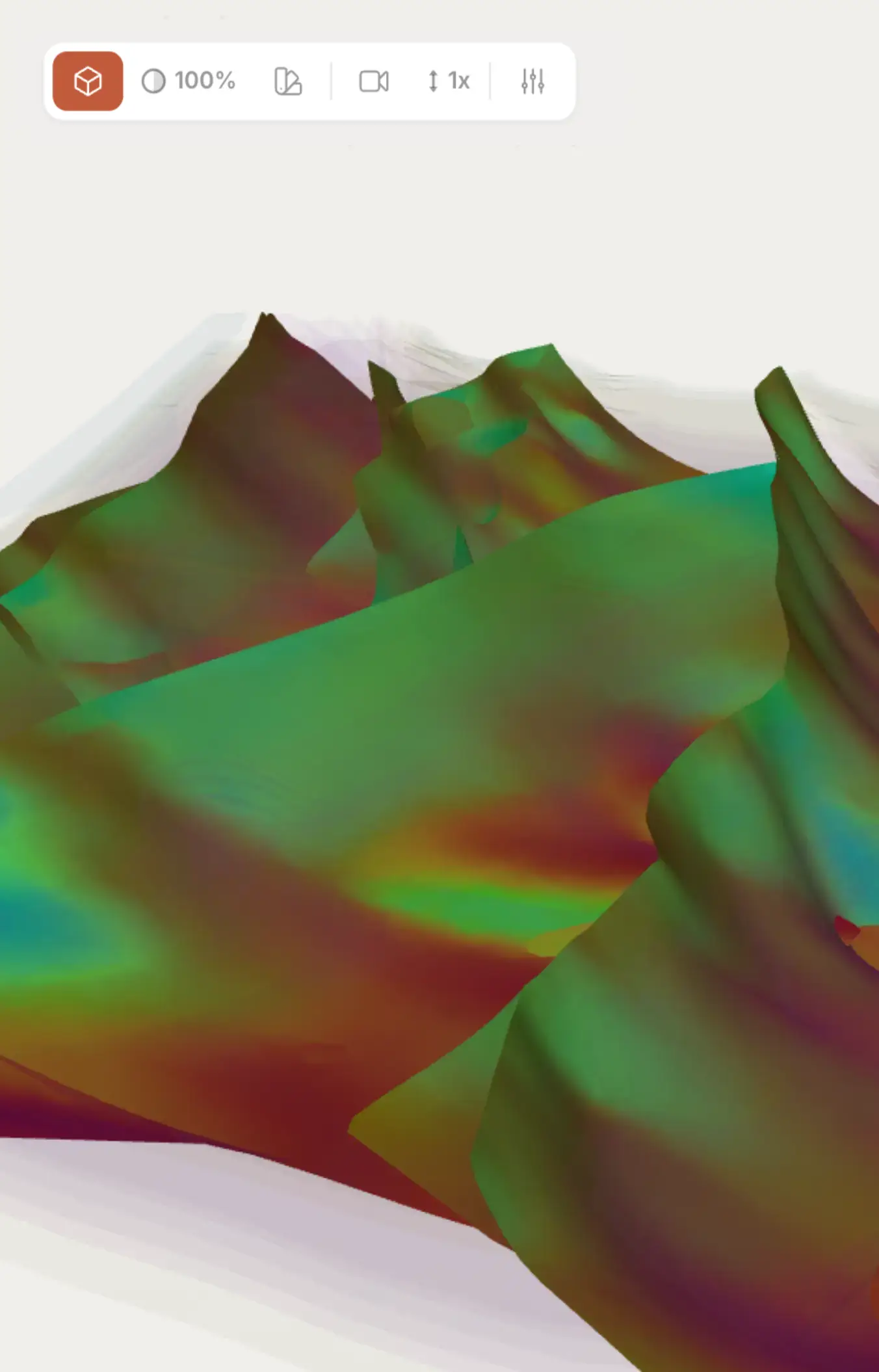
Compute dilation tendency and slip tendency for every fault segment in a given stress field. High dilation tendency identifies faults that are mechanically open and able to transmit fluids. High slip tendency flags faults at risk of reactivation. Apply the results to target permeable structures in geothermal reservoirs, ore systems and aquifers, or to assess seal integrity for CO₂ storage and hydrocarbon traps.

Dilation tendency Slip tendency

Kinematic analysis

Predict how each fault moves under stress

Resolve the shear stress vector on any fault surface to determine the expected direction and sense of slip. Use the results to reconstruct polyphase deformation history, locate displaced ore bodies or reservoir compartments and validate structural models against observed slickenline data.

Fault kinematics

Geometry matters

Wrong fault geometry means wrong analysis

Slip tendency, dilation tendency and kinematic predictions all depend on fault orientation. If the cross-section that defines that orientation contains geometric errors, every downstream result inherits them. Deform lets you restore and balance 2D sections to catch these errors at source.

Our philosophy

Geology first: a simple interface and minimal steps so you can focus on interpreting your data, not learning software.